Is It Safe to Drive a Luxury Car in Bali? Essential Safety Tips for 2027 Visitors
Is It Safe to Drive a Luxury Car in Bali?
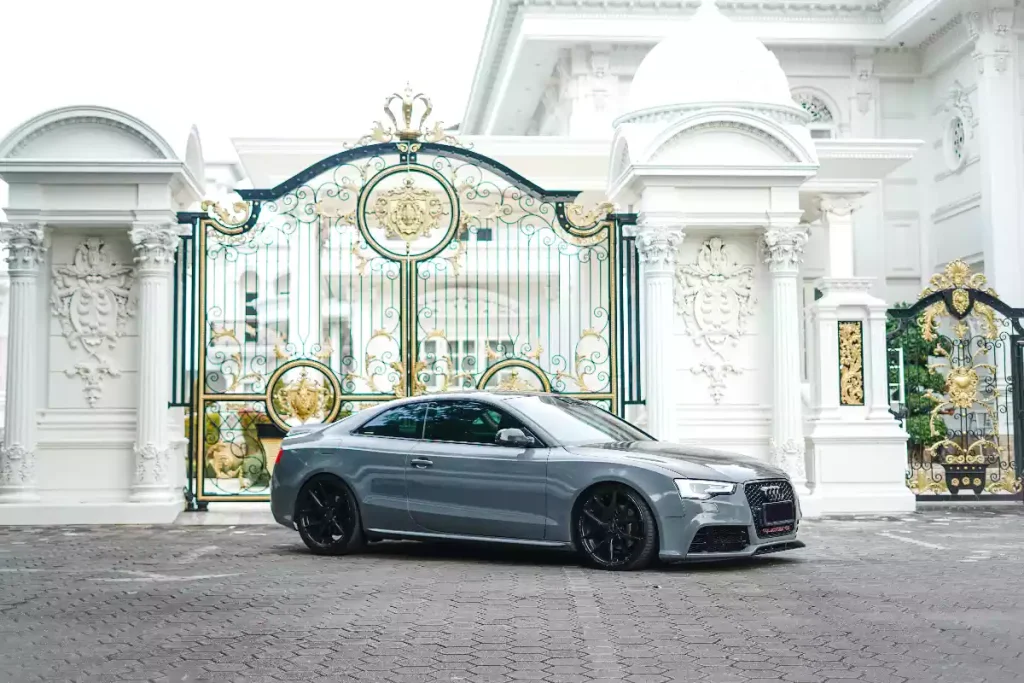
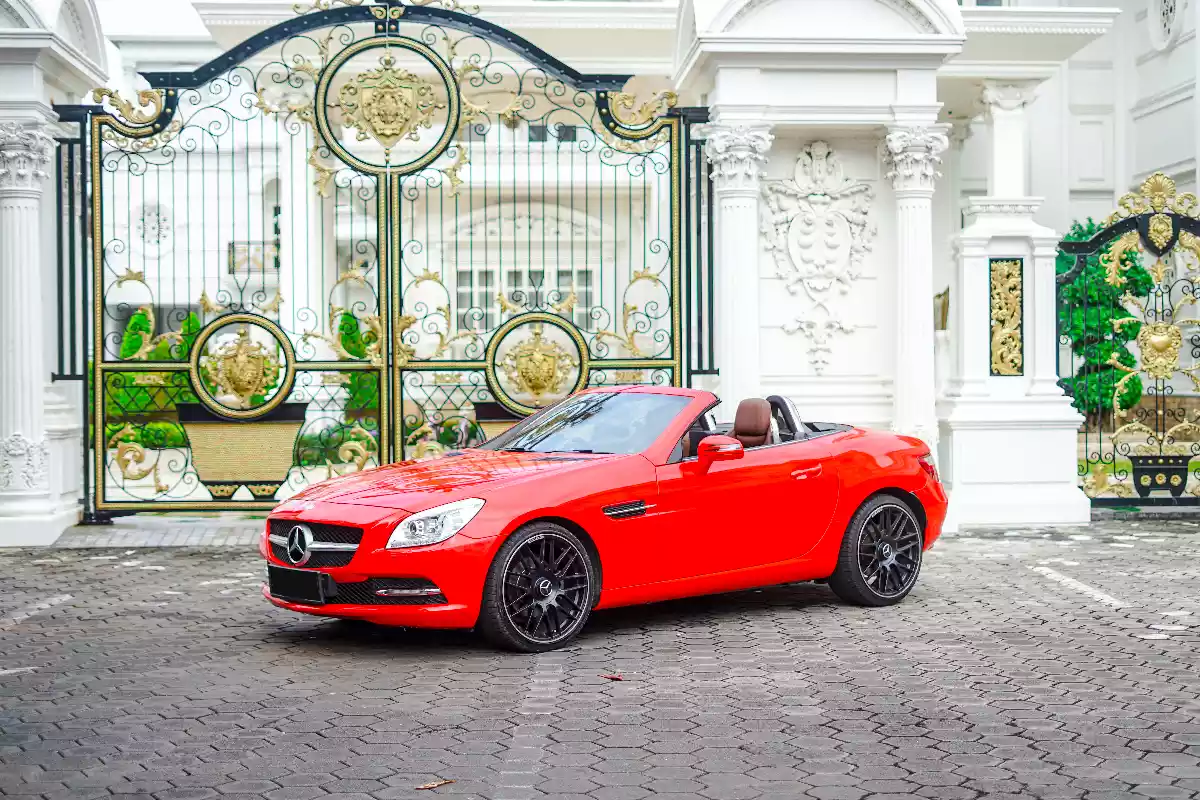
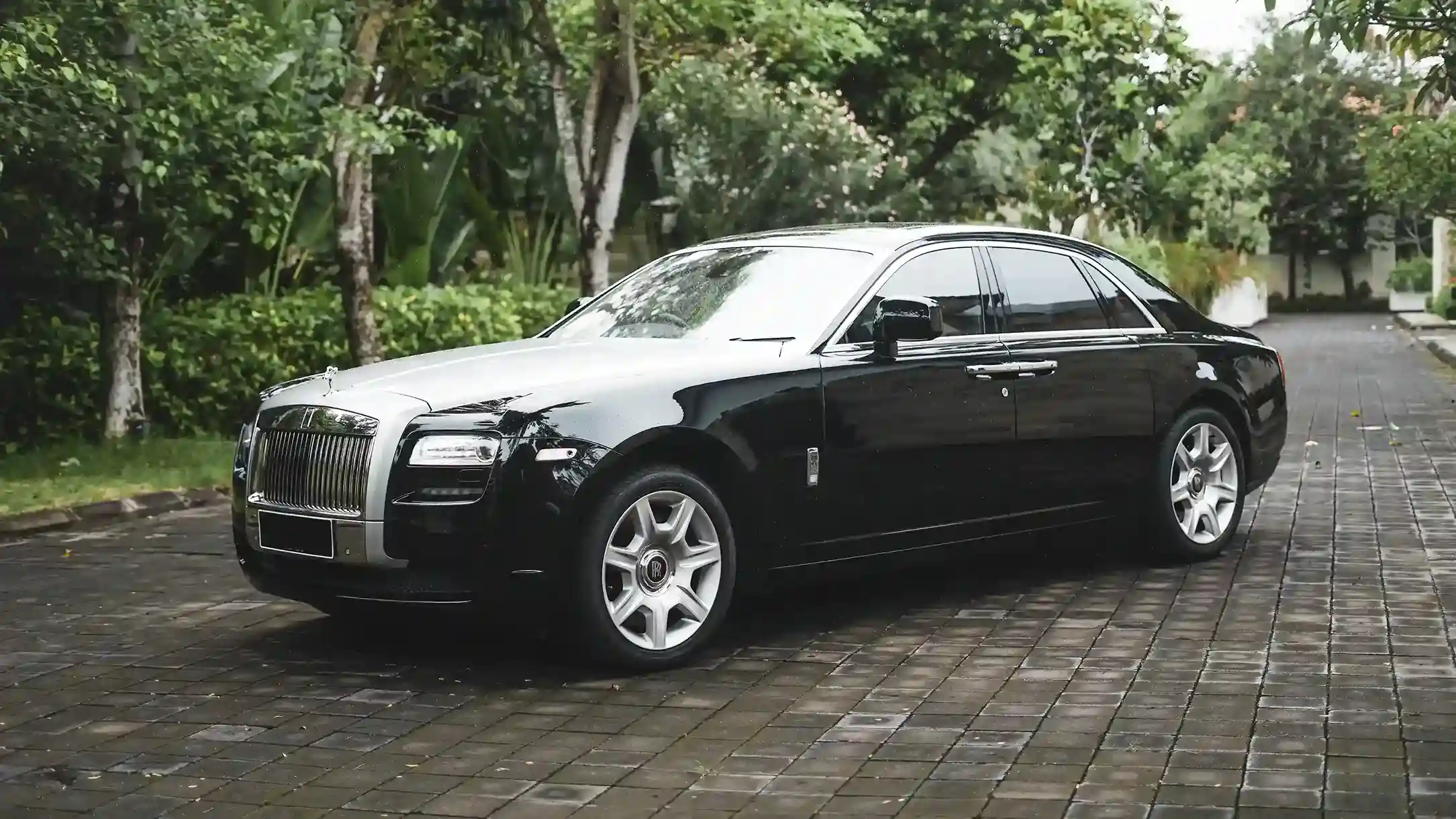
Driving a luxury car in Bali in 2027 is generally safe, provided you are well-prepared and aware of local conditions. Familiarize yourself with road rules, be cautious of traffic, and respect cultural practices for a smooth driving experience.
Understanding Bali’s Road Conditions
Bali’s road network varies significantly in quality. Major tourist areas like Seminyak, Ubud, and Canggu have relatively well-maintained roads, though they can be narrow and congested, especially during peak tourist seasons. As of 2027, infrastructure improvements continue, yet travelers should still anticipate uneven surfaces and sudden changes in road width.
In rural or mountainous areas, roads may be poorly lit and winding, posing additional challenges for those unfamiliar with the terrain. Driving cautiously and being aware of local traffic patterns can help mitigate potential hazards. It’s advisable to drive during daylight hours to better navigate these conditions. Additionally, the cost of maintaining a luxury vehicle on these roads should be considered, with tire replacement prices averaging $200 per tire for high-end models.
Traffic Patterns and Cultural Considerations
Bali’s traffic can be dense, with a mix of cars, motorbikes, and pedestrians sharing the streets. The use of motorbikes is prevalent among locals, contributing to the unique traffic flow. Visitors should be vigilant of motorbikes weaving through traffic, especially in urban areas. Drivers should exercise patience and remain alert to sudden stops or turns by other vehicles.
Respecting local customs and road etiquette is crucial. Balinese drivers often use subtle gestures to communicate intentions, such as turning or allowing others to pass. Understanding and responding appropriately to these signals enhances safety and demonstrates cultural respect. For instance, a quick flash of headlights often signals gratitude or a request for passage. Cultural respect also extends to understanding local religious practices, as many roads may be temporarily closed for ceremonies, particularly in areas with high temple concentrations like Ubud.
Navigation Tools and Resources
Using GPS navigation tools is essential for navigating Bali’s intricate roadways. Apps like Google Maps or Waze provide real-time traffic updates and suggest alternative routes to avoid congestion. These tools are invaluable in helping drivers reach destinations efficiently while avoiding unexpected delays.
It’s also beneficial to carry a physical map of Bali, given that some remote areas may have limited internet connectivity. Having a backup plan ensures you’re prepared for any technical difficulties encountered during your journey. Consider purchasing a detailed road map for approximately $10 USD at local bookstores or airports. This small investment can save significant time and stress, especially in less developed areas where cell service might be unpredictable.
Insurance and Rental Considerations
When renting a luxury car in Bali, ensure that comprehensive insurance is included in your rental agreement. This coverage should protect against potential damages or losses, giving you peace of mind while driving. Verify the terms and conditions of the insurance policy to understand the extent of the coverage provided.
Many rental companies in Bali require an international driving permit (IDP) alongside your national driver’s license. Acquiring an IDP before your trip is recommended to avoid complications when renting a vehicle. Understanding the rental agreement details and insurance coverage ensures a smooth rental experience. Rental prices for luxury cars can start at $100 per day and may go up significantly depending on the car’s make and model.

Climate and Seasonal Variations
Bali’s tropical climate features distinct wet and dry seasons, which affect driving conditions. The wet season, typically from November to March, brings heavy rainfall that can lead to slippery roads and reduced visibility. During this time, extra caution is advised, and driving at reduced speeds is recommended.
The dry season, from April to October, offers more favorable driving conditions. However, the influx of tourists during this period can result in increased traffic, particularly in popular areas like Ubud and Seminyak. Planning your travel times to avoid peak hours can help minimize time spent in traffic. Be aware that during the Galungan festival, occurring every 210 days according to the Pawukon calendar, roads near temples may be busier than usual as locals participate in festivities.
Exploring Nearby Attractions Safely
Bali offers a wealth of attractions accessible by car. The UNESCO-listed Subak irrigation system, known for its rice terraces, provides a scenic drive through the island’s countryside. Visitors can enjoy the beauty of these cultural landscapes while adhering to road safety guidelines.
For those seeking a coastal experience, a drive to Lovina Beach with its unique black volcanic sand can be a rewarding trip. Additionally, the nearby islands of Nusa Penida, Nusa Lembongan, and Nusa Ceningan are accessible via short boat rides, offering further exploration opportunities while your luxury car remains safely parked on the mainland. Boat rides to these islands typically cost around $25 USD per person, making them an affordable addition to a Bali itinerary.

Preparing for the 2027 SEA Games in Malaysia
While Bali is a fantastic destination, it’s worth noting that sports enthusiasts might want to consider traveling to Malaysia in 2027 for the SEA Games. Scheduled from September 18 to 29, the games will be hosted in Kuala Lumpur, Sarawak, Penang, and Johor. Attending the games could offer a unique glimpse into the region’s dedication to sports and its lively cultural displays.
While in Malaysia, visitors can explore the busy cityscapes of Kuala Lumpur or enjoy the natural landscapes of Sarawak. With a daily travel budget starting at $150, excluding accommodation, for Bali, a similar budget can be applied to Malaysia, where local cuisine and transport options provide excellent value for money. Be sure to book accommodations early, as the SEA Games are expected to attract a large number of international visitors.
FAQs
Q: Is it necessary to have an international driving permit in Bali? A: Yes, an international driving permit (IDP) is recommended for driving in Bali alongside your national driver’s license. This ensures compliance with local regulations and facilitates the car rental process.
Q: What should I do in case of a road accident? A: In case of an accident, remain calm and contact local authorities immediately. It’s crucial to have your insurance details readily available and to follow the guidance of law enforcement officers on the scene.
Q: Are there specific road signs I should be aware of? A: Bali’s road signs are generally similar to international standards, but it’s important to familiarize yourself with any unique signs or signals used locally. Understanding these signs enhances navigation and safety while driving.
For wider arrangements, our partner baliluxurytransport can coordinate end to end.
See also: Day-by-Day Bali Luxury Car Itinerary: From Ubud to Nusa Dua for 2027 Travelers, Top Packing Tips for a 10-Day Bali Road Trip with a Luxury Car in 2027 · Home.

Leave a Reply